

Menstrual Cups in Bangladesh: A Comprehensive Overview
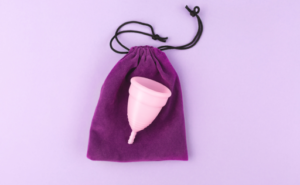
Menstrual cups are a sustainable and eco-friendly alternative to traditional menstrual products like pads and tampons. Made from medical-grade silicone, rubber, or latex, they are inserted into the vagina to collect menstrual blood, offering a comfortable and reusable option for managing periods.
Growing Awareness in Bangladesh
In recent years, Bangladesh has seen a rise in awareness regarding menstrual hygiene and sustainable products. This has been partly driven by NGOs, social media campaigns, and influencers who are educating women on the benefits of menstrual cups. Despite being a relatively new concept in the country, the adoption of menstrual cups is gradually increasing, especially among urban women and younger generations.
Benefits of Using a Menstrual Cup
- Cost-Effective: A menstrual cup can last up to 10 years, significantly reducing the cost of managing menstruation over time compared to disposable products.
- Eco-Friendly: Since menstrual cups are reusable, they help reduce the environmental impact caused by the disposal of pads and tampons, which can take hundreds of years to decompose.
- Health Benefits: Menstrual cups are made from medical-grade materials, reducing the risk of toxic shock syndrome (TSS) and irritation often associated with tampons and pads.
- Comfort and Convenience: Once inserted correctly, a menstrual cup can be worn for up to 12 hours, offering leak-free protection and the freedom to engage in daily activities without frequent changes.
Challenges in Adoption
Despite the benefits, there are several challenges to the widespread adoption of menstrual cups in Bangladesh:
- Cultural Taboos: Menstruation is still a taboo subject in many parts of Bangladesh. The idea of inserting a menstrual cup can be uncomfortable for some due to cultural and religious beliefs.
- Lack of Awareness: While awareness is growing, many women are still unaware of menstrual cups and their benefits. The lack of education and access to reliable information hinders the adoption of this product.
- Initial Cost: Although cost-effective in the long run, the initial purchase price of a menstrual cup can be a barrier for many women, particularly in low-income communities.
- Access to Clean Water and Sanitation: Proper hygiene is crucial when using a menstrual cup. In rural areas with limited access to clean water and sanitation facilities, using and cleaning a menstrual cup can be challenging.
Market Availability and Brands
Several international and local brands offer menstrual cups in Bangladesh. They are available both online and in select stores. Popular brands include:
- Sirona Cup: One of the most well-known brands globally, now available in Bangladesh.
- DivaCup: Bangladesh welcomes one of the most iconic brands globally.
- Ruby Cup: Another international brand that emphasizes social impact, with a buy-one-give-one model.
- Freedom Cup: A brand offering menstrual cups at a relatively affordable price.
- Local Brands: Some Bangladeshi brands are also entering the market, providing more affordable options tailored to the local population.
Government and NGO Initiatives
To promote menstrual hygiene and the use of sustainable products, several NGOs and government initiatives have been launched. Programs focusing on educating women and girls about menstrual health, distributing free or subsidized menstrual cups, and breaking down the stigma associated with menstruation are slowly making a difference.
The Future of Menstrual Cups in Bangladesh
The future of menstrual cups in Bangladesh looks promising, with increasing awareness and a growing market. As more women become aware of the benefits and overcome the cultural barriers, the adoption of menstrual cups is likely to rise. With continued efforts from NGOs, the government, and private companies, menstrual cups could become a mainstream menstrual hygiene product in the country.
Menstrual cups offer a sustainable, cost-effective, and healthy alternative to traditional menstrual products. While there are challenges to their widespread adoption in Bangladesh, the growing awareness and initiatives aimed at promoting menstrual hygiene suggest a positive trend. With continued efforts, menstrual cups could play a significant role in improving menstrual health and sustainability in Bangladesh.