

How to Maintain the Balance of Oil and Water in the Skin?

When talking about skincare, many aspects can be discussed, such as cleansing, toning, moisturizing, applying serum, etc. Depending on the type of skin, you may be doing various things for it. However, fundamentally, the balance of oil and water in the skin is crucial. If this balance is not maintained, no matter what you do, it won’t be effective. Today, I will discuss the importance of the oil and water balance in the skin. You might think I’m suggesting applying oil and water to your face, but that’s not the case. If these two components are imbalanced in your skin, it can cause several issues. Today, I’ll explain what problems can arise if the oil and water balance is not maintained in the skin and how to achieve this balance.
Why is Understanding Skin Type Important?
First, you need to understand your skin type. Many people have the misconception that oily skin doesn’t need moisturizer. This is entirely wrong. If you don’t apply moisturizer to oily skin, it will produce even more sebum, making the skin even oilier. On the other hand, some people use moisturizers on dry skin that don’t properly moisturize and hydrate the skin.
The skin naturally produces oil, and the amount of water in the skin depends on your liquid intake and other environmental factors. The skin primarily produces oil to protect itself from external damage. Many people with dry skin think their skin is oily and frequently use cleansers to clean their faces, which destroys the natural oil level of the skin and makes it appear rough.

Why Does Excess Oil Form on the Skin?
There are several reasons why excess oil is produced on our skin, including:
Unhealthy Lifestyle
Excessive exercise and irregular sleep can also cause excessive sebum secretion. Therefore, to control the amount of sebum in the skin, moderate exercise and adequate sleep are necessary. Stress reduces the white blood cell count in the body, affecting overall health. The skin’s surface becomes sensitive and easily irritated, increasing oil secretion.
Unhealthy Eating Habits
One of the main reasons behind skin problems for most people is unhealthy eating habits. If you consume too many fried, greasy, and spicy foods, it can be very difficult to resolve skin problems.

Lack of Vitamins
A lack of vitamins B complex, E, and A can make the skin rough. If your skin texture seems unhealthy, check your diet chart to ensure it contains sufficient nutrients.
Is the Balance of Oil and Water in Your Skin Right?
When acne appears on the face, we often blame the product. However, we never consider that the issue might be due to an imbalance of oil and water in the skin. How can you tell if these two components are balanced? Let’s find out:
1. If there is an imbalance of water and oil on the skin’s surface, bacteria responsible for skin concerns can thrive, causing acne. Therefore, keeping the skin clean is essential. Is the facewash you regularly use pH-balanced, and does it properly clean excess sebum from your skin?
2. Another common problem is blocked pores. Excess sebum on the skin, mixed with impurities and dirt, can block pores, leading to bumps, acne, and rashes. If the skin’s oil balance is not right, pore-clogging can easily occur.
3. When we sweat in the heat, excess water is produced on our faces. If this sweat is not wiped off quickly, it can cause an imbalance of oil and water on the face. Mixed with external pollution and dirt, this sweat can cause acne problems.

How to Maintain This Balance
We know that oily skin produces more oil. However, if the balance of oil and water is not maintained, it can cause skin problems. Here are some ways to maintain this balance:
1. Use the Right Cleanser
Ensure you are using the right cleanser, check its ingredients, how often you wash your face, what type of skin it is formulated for, and whether the cleanser is pH-balanced. Using the cleanser too much or if it has harsh ingredients can increase sebum secretion and block pores, leading to acne. Some good bacteria on our skin protect the skin barrier and balance the skin’s pH level. So, don’t overwash. For oily skin care, include a salicylic acid-based cleanser in your skincare routine 2-3 times a week.
2. Keep a Facial Mist
The amount of sebum your skin secretes largely depends on the surrounding environment. If you spend a lot of time in an air-conditioned room or in the sun, your skin can become very dehydrated. So, always keep a facial mist with you. Apply it whenever your skin feels dry and dehydrated.
3. Use a Moisturizer Suitable for Your Skin Type
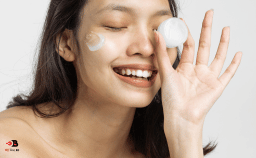
A good quality moisturizer can be a game-changer for your skin. Before buying a moisturizer, make sure it suits your skin type. Hyaluronic acid works well for retaining water on the skin surface. Choose a moisturizer with this ingredient to maintain skin hydration. If you have high oil production, don’t forget to select a matte and oil-free light moisturizer.
4. Keep Your Body Temperature Cool
Since it is very hot outside, keeping your body temperature cool is crucial. Excessive sebum is secreted from the sebaceous glands in the heat. For this, you can wear soft cotton clothes, eat foods that keep your body cool, and drink plenty of water.
5. Follow the Right Diet
Follow a diet chart that includes vitamin- and protein-rich foods. Avoid oily and spicy foods. A high glycemic diet, which includes sugary and refined carbohydrate-rich foods, can increase sebum production in the skin. If your diet lacks nutritious foods, change your diet chart.
By now, you surely understand why maintaining the balance of oil and water in the skin is important. Also, ensure that the products you use in your skincare routine are authentic.