

How effective is drinking water in reducing acne?
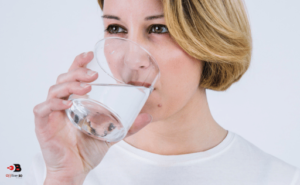
There are many people around the world who struggle with acne throughout their lives. The notion that acne only affects teenagers is not true for them. Acne can be caused by many factors, such as hormonal problems, pollution, chronic diseases, etc. Additionally, some people experience mild acne throughout the year. For severe acne, it is necessary to consult a specialist doctor. However, for mild acne, following a perfect diet that emphasizes drinking plenty of water can help manage the problem to a great extent. Since about 70% of the human body is water, drinking enough water helps bodily processes function correctly, thereby reducing the amount of acne. Let’s find out how effective drinking water is in reducing acne.
Effectiveness of Drinking Water in Reducing Acne
We often worry about what should and shouldn’t be done to care for acne-prone skin. Following a proper diet and using products according to your skin type, along with drinking adequate water, can help manage this problem significantly. Let’s understand why drinking water is beneficial for reducing acne.
1. Sebum production remains controlled
Keeping the skin hydrated can help manage acne problems significantly. The more hydrated the skin is, the less sebum it produces, which helps maintain a natural oil balance. This reduces the chances of acne. Additionally, using moisturizers and various skincare products along with drinking sufficient water (on average, 1.5 to 2 liters per day) helps keep the skin soft.

2. Improves the immune system
Drinking enough water improves the immune system, allowing the body to fight off bacteria better. This reduces the chances of acne. A good immune system strengthens the skin’s microbiome, which fights against the bacteria that cause acne.
3. Keeps sugar levels in control
High blood sugar levels increase sebum secretion, which raises the chances of acne. Drinking enough water keeps the body’s hydration levels good and helps control blood sugar levels, thereby keeping sebum production in check and preventing acne breakouts.
4. Detoxifies the body
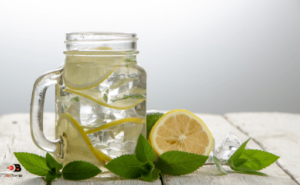
Detoxifying the body is crucial for controlling acne. While many people drink various types of detox water, simply drinking 2 to 2.5 liters of water daily can effectively maintain the body’s natural detoxification process. This removes toxins and acne-causing bacteria from the body, reducing the likelihood of clogged pores and acne formation.
5. Maintains normal collagen production
When the skin is moisturized from within by drinking enough water, collagen production remains normal. Additionally, if the skin cells’ natural rejuvenating power continues, inflammation is less likely to occur, reducing the chances of acne and subsequent spots.
How to drink so much water?
Now that we know the benefits of drinking plenty of water, the question is how to consume so much. Many people dislike drinking water. What to do then? Here are some tips:
- Say no to all kinds of sugary drinks like soda and sherbet. Instead, drink only water. When eating out, don’t order drinks with your set menu or platter. Reducing tea and coffee consumption increases the craving for water.
- If you don’t like drinking plain water, you can add 1-2 slices of lemon. However, don’t add sugar, as this is not a recipe for sherbet. You can also add a little strawberry or crushed blueberry.
- It’s not necessary to drink only water. You can also consume vegetables high in water content, such as cucumber, tomato, lettuce, etc. These help meet your body’s water requirements and keep you full.

Adequate water intake keeps the body hydrated, helps various organs function properly, and supports different mechanisms. Overall, it helps our skin function well, thereby reducing acne problems. However, if your acne problem persists even after drinking enough water, be sure to consult a dermatologist.
FAQ: Drinking Water and Acne Reduction
1. Can drinking water really help reduce acne?
- Yes, drinking enough water can help reduce acne by keeping the skin hydrated, regulating sebum production, improving the immune system, and aiding in detoxification processes that remove toxins and bacteria from the body.

2. How much water should I drink daily to help with acne?
- It is generally recommended to drink about 1.5 to 2 liters (approximately 6 to 8 glasses) of water per day. However, individual needs may vary based on factors such as body weight, activity level, and climate.
3. How does hydration affect sebum production and acne?
- Proper hydration helps maintain a balance in the skin’s oil production. When the skin is well-hydrated, it produces less sebum (oil), which can reduce the likelihood of clogged pores and acne formation.
4. Are there other benefits of drinking water for my skin?
- Besides reducing acne, drinking enough water helps keep the skin moisturized, improves overall skin texture, supports collagen production, and enhances the skin’s natural rejuvenation processes, making it look healthier and more radiant.
5. Can drinking water alone cure my acne?
- While drinking water can significantly help reduce acne, it may not be a complete cure, especially for severe cases. It’s important to maintain a proper skincare routine, follow a healthy diet, and consult a dermatologist if necessary for comprehensive acne treatment.
6. What are some tips to increase my water intake if I don’t like drinking plain water?
- If you find it hard to drink plain water, try adding slices of lemon, cucumber, or berries to infuse flavor. You can also consume water-rich foods like cucumbers, tomatoes, and lettuce, or drink herbal teas and other non-sugary beverages to stay hydrated.
7. Does drinking more water improve the immune system and help with acne?
- Yes, staying hydrated supports a healthy immune system, which can help the body fight off bacteria that cause acne. A stronger immune system enhances the skin’s ability to resist infections and inflammation, leading to fewer acne breakouts.
8. Can dehydration make acne worse?
- Yes, dehydration can exacerbate acne by causing the skin to produce more oil to compensate for the lack of moisture. This excess oil can clog pores and lead to increased acne breakouts. Additionally, dehydrated skin can become dry, flaky, and more prone to irritation and inflammation.