


Feeling tired is an inseparable part of human life, alongside work. Whether it’s household chores or office work, feeling fatigued is normal. Some people feel completely exhausted by the end of the day, while others lose energy by midday. This varies from person to person. However, when this normal part of life becomes abnormal, it’s a cause for concern. Are you feeling tired frequently? Do you always feel exhausted? Have you thought about the reasons behind it? It would be best if you investigated why this is happening to you.
Symptoms of Physical Fatigue
Whether you call it tiredness, fatigue, or exhaustion, these words are frequently used in our daily lives, aren’t they? In Bengali, it means fatigue or physical exhaustion. Do you know at what point physical fatigue becomes a concern? Working continuously for 5-6 hours can make you tired, and you may need rest at that moment; this is entirely natural. However, if you feel tired all the time without any exertion, it cannot be considered normal. If you get tired quickly and don’t recover even after resting, it might be chronic fatigue. The symptoms include:
- Muscle pain
- Dizziness
- Disturbed sleep (frequently waking up)
- Lack of concentration
- Feeling sleepy but unable to sleep
- Brain issues
- Forgetfulness, etc.

Always Feeling Tired, But Why?
Whether physical fatigue is short-term or long-term, it significantly impacts our bodies. Small issues can lead to bigger problems over time. Our dietary habits, lifestyle, and some medical reasons are associated with this. Let’s look into these.
1) Excessive Carbohydrate and Sugar Intake and Lack of Protein in the Diet
For us Bengalis, a meal without rice (carbohydrate) is unimaginable! The body needs carbohydrates but in moderation. The same goes for sugary items. When these two elements are present in excess in the diet, blood sugar levels rise, and you feel tired. Protein helps increase the body’s metabolic rate, and a protein-rich diet aids in weight loss and reduces tiredness.
2) Inadequate Exercise or Workout
Many of us think that doing household chores or staying outside is enough exercise. Many middle-aged people spend their days lying down at home, leading to a lack of calorie burn and a sluggish feeling. Starting your day with just 30 minutes of walking in the fresh air can reduce unnecessary fatigue. You can also do yoga or exercise at home. If possible, join a gym for multiple health benefits and a better mood.

3) Insufficient Sleep
“I know this, but who follows it?” At the end of the day, you keep working despite your body’s reluctance, thinking you’ll sleep later. If you maintain this lifestyle, it’s a big mistake. Not sleeping on time can lead to sleep apnea or sleep disorders, causing breathing problems during sleep. This can gradually lead to other health issues like high blood pressure, heart attacks, diabetes, etc. The National Sleep Foundation recommends 7-9 hours of sleep per night for people aged 17-65. Another thing you should avoid is using devices, especially mobile phones, for long periods before sleep. This not only harms your eyes but also disrupts your sleep routine, increasing tiredness.
4) Not Consuming Enough Calories
A healthy diet keeps you energized and active. Most people need a minimum of 1200 calories, varying with age, height, and weight. When you eat more or less than your body needs, the metabolic process doesn’t work smoothly. Eating less than needed slows this process, increasing physical fatigue and reducing your efficiency, making you feel tired all the time. Maintain a healthy diet chart and eat at regular times to ensure good physical health. Don’t start dieting randomly to lose weight!

5) Dehydration
There’s no substitute for water to keep the body healthy. You should drink eight glasses of water daily. Think about how many glasses of water you’ve had today. Interestingly, many people prefer soft drinks to stay hydrated. Feeling a bit tired? They take a cold drink from the fridge! It may quench your thirst temporarily but adds huge amounts of sugar to your body. Instead, drink coconut water or homemade fruit juice. This will reduce fatigue and make your skin beautiful and radiant.
6) High-Stress Level
Stress and fatigue are two terms that complement each other. If you are seriously stressed about any issue, it will show in your body as tiredness!
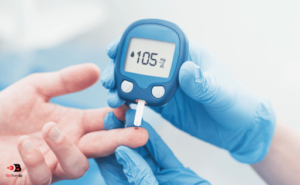
7) Diabetes
Always feeling tired? Check your sugar level. Age is not a factor for diabetes; it can occur at any age. Those who frequently feel tired should check their blood sugar. Type 2 or diet-related diabetes is common in such cases.
8) Thyroid Issues
You should check if your hormone levels are balanced. Another reason for excessive physical fatigue is thyroid hormone imbalance, which slows the metabolic process. Feeling constantly tired and weak after a little work are common problems.
9) Kidney Problems
If your kidneys don’t function properly, the amount of toxins in your blood increases, causing frequent tiredness. People in the final stages of renal disease who undergo dialysis often feel very tired.
10) Anemia or Iron Deficiency
When there’s an iron deficiency in the body, anemia occurs. If the body doesn’t produce enough red blood cells, it can’t supply oxygen to various organs effectively, making you feel tired quickly with no energy. If you feel unnecessarily tired, get a blood test done.
11) Vitamin Deficiency

A lack of vitamins B-12 and D makes the body easily tired. Vitamin B-12 is crucial for brain health. As you age, the body’s deficiency in this vitamin increases, so include vitamin-rich foods in your diet chart.
In conclusion, observe the changes in your body carefully. If you frequently feel tired or fall ill often, consult a doctor. Apply the well-known saying “Prevention is better than cure” in your daily life. Nutrient-rich food, regular exercise, adequate and timely sleep, staying stress-free—these small changes can help you stay healthy easily. That’s all for today, best wishes to everyone.
(FAQ) About Feeling Constantly Tired
1. Why do I always feel tired? Feeling constantly tired can be due to various reasons, including poor diet, lack of exercise, insufficient sleep, dehydration, stress, medical conditions like diabetes or thyroid issues, and vitamin deficiencies.
2. What are the common symptoms of chronic fatigue? Common symptoms include muscle pain, dizziness, disturbed sleep, lack of concentration, sleepiness without being able to sleep, memory problems, and general weakness.

3. How can my diet affect my energy levels? A diet high in carbohydrates and sugar can cause blood sugar spikes and crashes, leading to tiredness. Lack of protein can slow down your metabolic rate, making you feel tired. Ensure a balanced diet with adequate protein, and avoid excessive carbs and sugars.
4. How much exercise do I need to reduce tiredness? Regular exercise, such as 30 minutes of walking or yoga, can improve energy levels. Exercise helps in calorie burn, enhances mood, and reduces feelings of fatigue.
5. How does sleep affect my energy levels? Insufficient sleep can lead to sleep disorders like sleep apnea, which can cause tiredness. It is recommended to get 7-9 hours of sleep per night for optimal energy levels.
6. Can dehydration cause fatigue? Yes, dehydration can lead to fatigue. It’s important to drink at least eight glasses of water daily. Avoid relying on soft drinks for hydration as they contain high amounts of sugar.
7. Can stress make me feel tired? High stress levels can significantly contribute to feelings of fatigue. Managing stress through relaxation techniques, exercise, and adequate sleep can help improve energy levels.
8. How can medical conditions like diabetes and thyroid issues affect my energy levels? Conditions like diabetes and thyroid imbalances can disrupt your body’s normal functioning, leading to chronic tiredness. It’s essential to monitor and manage these conditions with the help of a healthcare provider.
9. What role do vitamins play in preventing fatigue? Vitamins, especially B-12 and D, are crucial for maintaining energy levels. Deficiencies in these vitamins can lead to fatigue and other health issues. Ensure your diet includes vitamin-rich foods or consider supplements if necessary.
10. When should I see a doctor about my fatigue? If you consistently feel tired despite adequate rest, nutrition, and exercise, or if you have other symptoms like unexplained weight loss, frequent infections, or severe sleep disturbances, it’s important to consult a doctor to rule out any underlying medical conditions.
11. What lifestyle changes can help reduce fatigue? To reduce fatigue, focus on:
- Eating a balanced diet
- Exercising regularly
- Getting sufficient sleep
- Staying hydrated
- Managing stress effectively
- Avoiding excessive use of electronic devices before bed
12. Can anemia cause fatigue? Yes, anemia, often due to iron deficiency, can cause fatigue because the body doesn’t produce enough red blood cells to carry oxygen to tissues, leading to tiredness.
By addressing these common concerns and making appropriate lifestyle adjustments, you can manage and reduce feelings of constant tiredness. If the problem persists, seeking medical advice is crucial.