

5 Natural Face Masks for Oily Skin Care in Summer
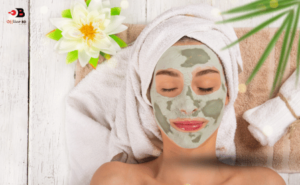
“Day by day, my acne problem is getting worse, and the oiliness on my face isn’t going away!” This is a common issue for those with oily and acne-prone skin. Taking care of such skin can be a bit tough because if a product doesn’t suit your face, it can increase acne. And if it’s the summer season, it becomes even more challenging! Therefore, along with following a basic skincare routine, those with this type of skin can use face masks made from natural ingredients. Today, I will tell you about some face masks made from natural ingredients for oily skin care in summer.
Face Masks for Oily Skin Care in Summer
Oily skin means excess oil production and acne breakouts. Therefore, face masks that provide solutions to these problems are essential for oily and acne-prone skin. Let’s learn about some such masks:
- Aloe Vera, Turmeric, and Honey Face Mask
- Ingredients:
- 2 tablespoons of aloe vera gel
- 1 tablespoon of honey
- A pinch of turmeric powder
- Instructions:
- Mix all the ingredients well. Apply to the face and wait for 15 minutes. Then, rinse off with water.
- Ingredients:

Aloe vera contains salicylic acid, which is very effective for acne-prone skin. It removes dead skin cells, unclogs pores, and prevents acne formation. Honey helps balance healthy bacteria on the skin. Turmeric contains vitamins C, E, and other minerals that help reduce acne and achieve glowing skin.
- Multani Mitti and Rose Water Face Mask
- Ingredients:
- 2 tablespoons of Multani mitti (Fuller’s earth)
- 2 tablespoons of rose water
- Instructions:
- Mix the ingredients well to form a smooth paste. Apply to the face and wait for 15 minutes. Then, rinse off with water.
- Ingredients:
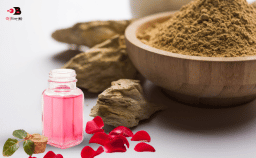
Multani mitti is 100% pure and organic. It has oil-absorbing properties that help prevent acne and reduce excess oiliness on the face. Rose water acts as a natural astringent.
- Yogurt and Brightening Mask
- Ingredients:
- 2 tablespoons of brightening mask
- 2 tablespoons of yogurt
- Instructions:
- Mix the two ingredients well. Apply to the face, avoiding the eye and lip areas. Rinse off with normal water after 15 minutes.
- Ingredients:
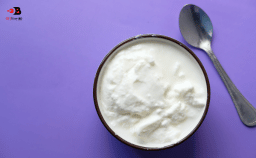
This mask contains white sandalwood, orange peel powder, Multani mitti, and conch powder. Each of these ingredients helps brighten the skin. Yogurt has antifungal and antibacterial properties and acts as a mild astringent. This mask is very effective for those who want brightness on oily skin.
- Oatmeal and Cucumber Face Mask
- Ingredients:
- 1 tablespoon of ground oats
- 1 tablespoon of cucumber juice
- 1 tablespoon of honey
- Instructions:
- Mix all the ingredients well. For a cooling effect, refrigerate the mixture for half an hour before applying. Apply to the face and wait for 15-20 minutes. Gently scrub and rinse off with water. There is no need to scrub for more than 15 seconds.
- Ingredients:
Oats reduce excess oil and act as an exfoliator. Oats contain a compound called saponin, which works as a natural cleanser. Cucumber keeps the skin moisturized and hydrated. Additionally, cucumber helps reduce pore size and extract dirt and impurities from the pores. This mask is very effective for oily skin care in summer.
- Green Tea and Lemon Face Mask for Oily SkinIngredients:
- 1 tablespoon of green tea powder (or finely ground green tea leaves)
- 1 tablespoon of lemon juice
- 1 tablespoon of honey
Instructions:
- Mix the Ingredients:
- Combine the green tea powder, lemon juice, and honey in a small bowl. Mix well to form a smooth paste.
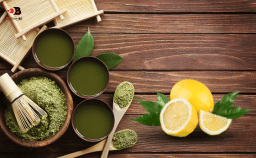
I have shared several effective face masks for oily skin care in summer. Now, you can choose any of them according to your convenience.
FAQ: Natural Face Masks for Oily Skin Care in Summer
1. Can natural face masks really help with oily skin?
Yes, natural face masks can help manage oily skin by using ingredients that absorb excess oil, unclog pores, and reduce inflammation. Ingredients like aloe vera, green tea, and clay are particularly effective.
2. How often should I use a face mask for oily skin?
For oily skin, it’s generally recommended to use a face mask 1-2 times a week. Overuse can lead to dryness or irritation, which can prompt your skin to produce even more oil.
3. Are there any side effects of using natural face masks?
While natural face masks are usually gentle, some people may experience allergic reactions to certain ingredients. Always do a patch test before applying a new mask to your face. If irritation occurs, discontinue use immediately.
4. Can I mix different ingredients to make my own face mask?
Yes, you can mix various natural ingredients to tailor a face mask to your skin’s needs. Common combinations include aloe vera with honey, or green tea with lemon juice. Ensure the ingredients are compatible and suitable for your skin type.
5. Do natural face masks work better than store-bought products?
Both natural and store-bought face masks can be effective. Natural masks are often free from harsh chemicals and can be customized, while store-bought masks are convenient and may contain scientifically-formulated ingredients for specific skin concerns.
6. How long should I leave a natural face mask on my face?
Most natural face masks should be left on for 15-20 minutes. It’s important not to leave them on for too long as they can dry out your skin or cause irritation.
7. Can I use natural face masks if I have sensitive skin?
Many natural face masks are suitable for sensitive skin, but it’s important to choose ingredients that are gentle and non-irritating. Always perform a patch test first, and avoid ingredients known to cause sensitivity, such as lemon juice or strong essential oils.
8. Is it necessary to moisturize after using a face mask?
Yes, it’s important to moisturize after using a face mask, especially if you have oily skin. Using a lightweight, non-comedogenic moisturizer helps maintain the skin’s moisture balance without clogging pores.
9. Can natural face masks help reduce acne?
Yes, certain natural ingredients like tea tree oil, honey, and aloe vera have antibacterial and anti-inflammatory properties that can help reduce acne and prevent future breakouts.
10. How do I store homemade face masks?
Homemade face masks should be used immediately after preparation for the best results. If you need to store them, keep them in an airtight container in the refrigerator and use within a few days. Always check for any changes in color or smell before use.