

Ten Popular Natural Ingredients in Korean Skincare

Currently, the term that has created the most hype in skincare is Korean Beauty, often abbreviated as K-Beauty. Korean skincare is extremely popular worldwide because various natural ingredients are used in these products, which help resolve different skin problems without causing any harm. Today’s feature will introduce you to ten popular natural ingredients in Korean skincare.
Popular Natural Ingredients in Korean Skincare
Rice Water
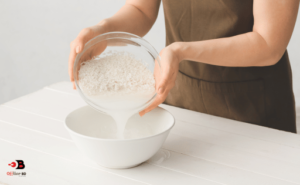
Rice, which we cannot go without for even a single meal, is used in Korean skincare. Rice contains a significant amount of antioxidants, vitamins A, C, E, and minerals, which reduce skin hyperpigmentation. It also reduces blemishes and spots on the skin. Another beneficial aspect is that it moisturizes the skin and enhances its brightness. Rice-based products can be used for any skin type, including dry skin.
Green Tea
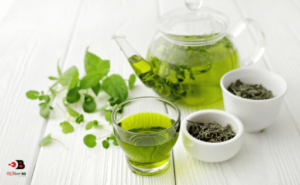
Many people’s faces turn sour at the thought of the taste of green tea. Drinking green tea is healthy, and it is also very beneficial for the skin. It is a powerful anti-inflammatory and soothing agent that reduces acne, irritation, and sun damage, preserving the skin’s youthfulness. Green tea is also very popular for moisturizing and nourishing the skin because it is a good source of vitamin E and L-theanine amino acids. Additionally, green tea controls oil and reduces skin dryness, making it suitable for oily, dry, or combination skin types.
Centella Asiatica
The scientific name might sound complicated, but it is a common herbal plant known as Gotu Kola. This small plant works like magic for skin care. It has hydrating, soothing, healing, oil-controlling, and anti-aging properties, making it a complete package for your skin.
Propolis
Another popular ingredient in Korean skincare is propolis. It is a natural ingredient with a resin-like texture made by honey bees. It is the best choice for acne-prone skin because it has antibacterial, antifungal, and anti-inflammatory properties. Using it reduces skin irritation, rashes, and blemishes. Regular use removes dead skin cells, making the skin healthy from within.
Snail Mucin
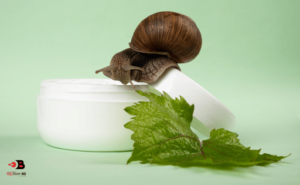
Snail mucin is a highly glycosylated protein secreted from a snail’s body. It contains natural proteins that increase collagen and elastin in the skin. It also has glycolic acid, which acts as an exfoliant, and allantoin, which moisturizes the skin. Snail mucin is unmatched for achieving glowing and flawless skin. Although it is considered a safe ingredient, some people may be allergic to it, so it is important to do a patch test before use.
Discover how snail mucin can transform your skincare routine.
Mugwort
This small herbal plant is widely used in South Korean skincare. Mugwort is used as a medicinal tonic, tea, pancake, and even bath soap. Its antibacterial, antifungal, and anti-inflammatory properties detoxify the skin and help in new cell formation, making it very effective for problematic skin.
Ginseng
When it comes to Korean beauty, we often hear about ginseng. It is considered a superfood because it contains a lot of minerals, vitamins, and antioxidants, which fight free radicals in the skin and reduce cellular damage. It increases blood circulation in the skin, reduces fine lines and dullness, and balances oil production.
Licorice
Licorice helps to reduce dark spots and hyperpigmentation. It slows down melanin production in the skin, reduces sun damage, and prevents premature aging. For those with open and large pores, licorice-based products, especially toners or serums, work well because they minimize pores and even out skin texture.
SUMMARY
Licorice reduces dark spots, hyperpigmentation, melanin production, sun damage, premature aging, and minimizes pores in open pores, making it effective for toners and serums.
Yuja
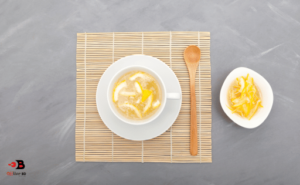
This Korean citrus fruit has three times more vitamin C than regular lemons. Therefore, it works great as an anti-aging ingredient. It also helps reduce dark spots and brightens the skin. Yuja increases collagen production in the skin, protects the skin from harmful UV rays of the sun, and naturally moisturizes the skin.
Clay
Clay is a widely used ingredient in skincare. It is popular for cleansing and purifying the skin. This soft and fine-grained mineral ingredient reduces excess oil and cleanses the skin from within. Various types of clay are available in the market, such as bentonite, kaolin, and red clay. Among them, bentonite and kaolin clay are quite well-known. Bentonite clay is extracted from volcanoes and is good for oily skin. Kaolin clay is suitable for dry or sensitive skin.
These are the ten natural ingredients used in Korean skincare and their benefits. You can add these to your skincare routine based on your skin type and concerns.
FAQ on Natural Ingredients in Korean Skincare
1. What makes Korean skincare so popular?
Korean skincare is popular due to its use of natural ingredients, innovative formulations, and emphasis on maintaining healthy, glowing skin. It focuses on gentle and effective solutions that address various skin concerns without causing harm.
2. How do natural ingredients benefit the skin?
Natural ingredients provide numerous benefits, such as antioxidants, vitamins, and minerals that nourish and protect the skin. They help in reducing inflammation, moisturizing, brightening, and improving the overall health and appearance of the skin.
3. Can rice water be used for all skin types?
Yes, rice water is suitable for all skin types. It is particularly beneficial for reducing hyperpigmentation, blemishes, and spots while moisturizing and brightening the skin.
4. What are the benefits of green tea in skincare?
Green tea has anti-inflammatory and soothing properties that reduce acne, irritation, and sun damage. It also helps to moisturize and nourish the skin, control oil production, and is rich in vitamin E and amino acids.
5. What is Centella Asiatica, and how does it help the skin?
Centella Asiatica, also known as Gotu Kola, is a herbal plant with hydrating, soothing, healing, oil-controlling, and anti-aging properties. It helps in maintaining healthy and youthful skin.
Learn more about Centella Asiatica on Healthline
6. Is propolis safe for acne-prone skin?
Yes, propolis is highly beneficial for acne-prone skin due to its antibacterial, antifungal, and anti-inflammatory properties. It helps reduce irritation, rashes, and blemishes and promotes healthy skin by removing dead skin cells.
7. What is snail mucin, and what are its benefits?
Snail mucin is a highly glycosylated protein secreted by snails. It increases collagen and elastin in the skin, acts as an exfoliant, and moisturizes the skin. It is effective for achieving glowing and flawless skin, although a patch test is recommended before use.
8. How does mugwort benefit the skin?
Mugwort has antibacterial, antifungal, and anti-inflammatory properties that detoxify the skin and promote new cell formation. It is particularly effective for problematic skin.
9. What is the role of ginseng in skincare?
Ginseng is rich in minerals, vitamins, and antioxidants that fight free radicals and reduce cellular damage. It improves blood circulation in the skin, reduces fine lines and dullness, and balances oil production.
10. How does licorice help with dark spots and hyperpigmentation?
Licorice slows down melanin production, reduces sun damage, and prevents premature aging. It also minimizes pores and evens out skin texture, making it effective for reducing dark spots and hyperpigmentation.
11. What are the benefits of yuja in skincare?
Yuja, a citrus fruit, is rich in vitamin C, which helps reduce dark spots, brightens the skin, increases collagen production, protects against UV rays, and naturally moisturizes the skin.
12. Why is clay used in skincare, and what types are available?
Clay is used for its cleansing and purifying properties. It reduces excess oil and cleanses the skin from within. Common types of clay include bentonite and kaolin, which are suitable for oily and dry/sensitive skin types, respectively.
13. How can I incorporate these natural ingredients into my skincare routine?
You can incorporate these natural ingredients into your skincare routine by choosing products that contain them, such as cleansers, toners, serums, and moisturizers. Select products based on your skin type and specific concerns for the best results.