

7 Ways to Prevent Stretch Marks That Everyone Should Know!
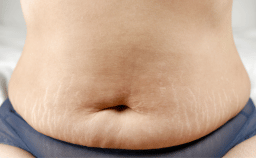
You may have lost excess weight a few months ago. Even if you feel fit now, stretch marks can be a source of annoyance. Stretch marks are essentially white streaks or swelling on any part of the body, especially the lower abdomen, arms, or legs. Making some changes to our daily lifestyle can help prevent stretch marks. Check out today’s feature to learn how to prevent stretch marks.
What Are Stretch Marks?
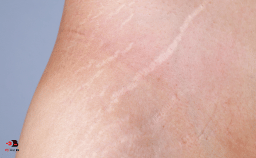
Stretch marks are a type of scar that occurs due to a decrease in collagen or skin elasticity. There are different types of stretch marks, such as Striae rubrae, Striae albae, and Striae gravidarum. Striae rubrae appears as somewhat reddish or pinkish streaks on the skin. On the other hand, Striae albae are usually white. Many people have white streaks on their arms or the lower side of their abdomen, which is Striae albae. Striae gravidarum are stretch marks that occur during pregnancy.
Why Do Stretch Marks Occur?
Let’s first understand why stretch marks develop on our bodies.
1. Rapid Weight Gain or Loss
If body weight increases rapidly, the skin’s elasticity decreases, and the skin stretches, causing the upper layer to tear, resulting in stretch marks. Similarly, if excess fat is shed quickly, stretch marks can also appear on the skin.

2. Excessively Dehydrated Skin
If the skin is very dry or dehydrated, its elasticity decreases, making it easier for the skin’s layers to get damaged. This damage can cause stretch marks to form on the upper part of the skin.
3. Vitamin Deficiency
A lack of certain essential vitamins can lead to stretch marks. A deficiency in vitamins C, D, E, zinc, and protein can reduce collagen production in the skin, leading to decreased elasticity and the appearance of stretch marks.
4. Lifestyle
Leading a very sedentary lifestyle with little movement can also cause stretch marks. If you are not active most of the day, blood circulation in the body decreases, which reduces the skin’s elasticity, leading to stretch marks.
5. Mental Stress
Excessive mental stress increases the level of cortisol hormone in the body. Cortisol, secreted from the adrenal gland, loosens the collagen fibers that help keep our skin smooth. This reduces the skin’s tautness, increasing the likelihood of stretch marks.

6. Sun Damage
Harmful UV rays from sunlight can damage skin cells and accelerate the appearance of age-related marks on the skin. Prolonged direct sun exposure can reduce elasticity and cause stretch marks.
7. Pregnancy and Post-Pregnancy
During pregnancy, body weight increases, especially when the skin of the abdomen stretches more than usual, causing stretch marks to appear on the stomach and other parts of the body. Post-pregnancy, rapid weight loss can also cause stretch marks.
How to Prevent Stretch Marks?
Now let’s learn about the things to follow to prevent stretch marks.
1. Keep the Skin Hydrated
Since dry and dehydrated skin is a major cause of stretch marks, it’s essential to keep the skin hydrated at all times. Drink plenty of water, liquid foods, and fresh juices. Drink at least 2-3 liters of water a day. Additionally, use a good quality moisturizer on dehydrated skin.
2. Follow a Vitamin-Rich Balanced Diet
Eat more foods rich in vitamins C, E, protein, and zinc to avoid deficiencies. Also, consume foods high in antioxidants. This will increase collagen production in the skin, keep the skin taut, and reduce stretch marks.
3. Control Body Weight
you have excess fat, try to lose weight gradually instead of quickly. Rapid weight loss puts stress on the skin, causing stretch marks. Similarly, if you want to gain weight, do it gradually. Always try to maintain a healthy and fit body weight to prevent stretch marks.

4 Use Moisturizer According to Skin Type
Use a moisturizer based on how dry your skin is. The more moisturized your skin is, the less likely you are to develop stretch marks.
5. Follow the Dry Brushing Technique
Dry brushing is effective in reducing and preventing stretch marks. Use a dry brush that is not too harsh on the skin and brush in a circular motion on areas where there are stretch marks or where they are likely to appear. Brush gently without applying too much stress to the skin. Dry brushing for a few minutes before bathing every day will remove dead skin cells, increase blood circulation, and regenerate skin cells, thereby reducing and preventing new stretch marks.
6. Get Adequate Sleep
How does sleep help reduce stretch marks? The truth is that sleep relaxes the entire body, regenerates skin cells, and repairs skin damage. So, if you want healthy and beautiful skin, you need to get enough sleep at night.
7. Take Sun Protection
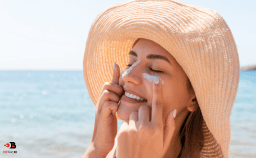
Avoid direct sun exposure, as we all know. Using sunscreen during the day is essential, along with using umbrellas, scarves, and hats. Additionally, staying away from direct sunlight will minimize and prevent stretch marks.
Now you know the ways to prevent stretch marks. This was today’s discussion on stretch marks. Following the habits mentioned in today’s feature can help prevent stretch marks and significantly reduce existing ones.
FAQs: on Stretch Mark Prevention
1. What are stretch marks?
Stretch marks are scars that appear as streaks or lines on the skin, usually caused by rapid stretching of the skin. They are commonly seen on the abdomen, thighs, hips, breasts, upper arms, and lower back.
2. What causes stretch marks?
Stretch marks can be caused by a variety of factors including rapid weight gain or loss, pregnancy, puberty, rapid muscle growth, certain medical conditions, and long-term use of corticosteroids.
3. Can stretch marks be prevented?
While it might not be possible to completely prevent stretch marks, certain measures can reduce their likelihood. These include maintaining a healthy weight, staying hydrated, eating a balanced diet rich in vitamins and minerals, moisturizing regularly, and avoiding excessive sun exposure.
4. How does hydration help prevent stretch marks?
Hydrated skin is more elastic and less likely to develop stretch marks. Drinking plenty of water and using moisturizers can help keep the skin supple and resilient.
5. What role do vitamins play in preventing stretch marks?
Vitamins such as C, D, and E, along with zinc and protein, support collagen production and skin elasticity. A diet rich in these nutrients can help maintain skin health and reduce the risk of stretch marks.
6. Are there specific foods that can help prevent stretch marks?
Yes, foods rich in vitamins C and E, zinc, and protein, such as citrus fruits, nuts, seeds, fish, and leafy greens, can support skin health and elasticity, potentially preventing stretch marks.
7. Does weight control help in preventing stretch marks?
Maintaining a stable and healthy weight can prevent the rapid stretching or shrinking of the skin, which is a common cause of stretch marks.
8. What is dry brushing and how does it help?
Dry brushing involves using a dry, soft-bristled brush to gently massage the skin in circular motions. This technique can improve blood circulation, remove dead skin cells, and promote cell regeneration, helping to reduce and prevent stretch marks.
9. How does sun exposure affect stretch marks?
Excessive sun exposure can damage skin cells and reduce skin elasticity, making stretch marks more likely to appear. Using sunscreen and protective clothing can help prevent this damage.
10. Can existing stretch marks be treated or reduced?
While completely removing stretch marks is difficult, treatments such as laser therapy, microdermabrasion, and certain topical creams can reduce their appearance. Consistent use of moisturizers and maintaining healthy skin practices can also help.
11. Is it possible to get stretch marks even if I follow all preventative measures?
Yes, genetic factors and individual skin characteristics play a significant role in the development of stretch marks. Even with preventive measures, some people may still develop them due to their skin type and family history.