

Is the dryness of the skin not decreasing even after regular moisturizer use?
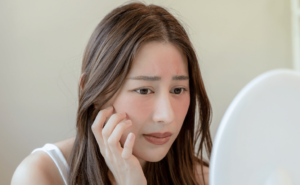
The symptoms of Xerosis Cutis, also known as dry skin, persist even after using a regular moisturizer. Symptoms include rough skin, white patches on the skin, itchiness, and flaking. Since this is a common skin problem, most people experience these dryness-related issues at some point in their lives, affecting any part of their body. Despite using a regular moisturizer, the dryness of the skin doesn’t seem to decrease!
Whenever your skin feels dry or tight, you reach for your favorite moisturizer, thinking that it will solve the problem, right? But sometimes, it doesn’t work as expected, and the skin becomes dry, flaky, itchy, and sometimes even more severe.
Why isn’t your moisturizer working properly?
Let’s find the answers to these questions today, even after using moisturizer regularly.

1) Inadequate exfoliation:
If you don’t exfoliate regularly or don’t exfoliate adequately, dead cells accumulate on the upper layer of the skin, leading to skin texture flaws, which can cause other problems in the future. Proper exfoliation removes this flakiness, making the skin smoother. Additionally, moisturizers penetrate deeper layers of the skin, keeping it fresh or vibrant.
2) Excessive washing:
Some molecules or particles in our skin retain natural oils and act as skin moisture barriers. Excessive washing of hands, face, feet, or other body parts can remove these natural oils, resulting in dryness. Here are some things to keep in mind:
– Try to use artificial colors and harsh chemical-free soap, body wash, or shower gel.
– Choose a mild cleanser suitable for your skin type and concerns.
– After washing, gently pat dry with a soft towel.

3) Dehydration or inadequate nutrition:
The upper layer of our skin contains 15-20% water. When we don’t drink enough water or maintain a balanced diet, the water content in this layer decreases. As a result, the skin becomes dehydrated, loses elasticity, and gradually starts to become dry or flaky. Additionally, a deficiency of some essential vitamins like Vitamin E, Vitamin D, Zinc, and Iron can lead to dry skin.
4) Incorrect moisturizer selection:
Some skincare products contain Isopropyl alcohol, Benzyl alcohol, Sulfates, or artificial fragrances, which can significantly dry out the skin. So, if your skin type is dry, try to avoid these ingredients. Salicylic acid works well for oily skin, but it may not suit dry skin, making it even drier. Therefore, pay attention to product selection.
5) Neglecting seasonal changes:
During the winter season, the amount of moisture in the air decreases, and in extremely dry weather conditions, the skin tends to lose moisture quickly. Those who spend a lot of time in air-conditioned rooms or sleep in air-conditioned rooms should use cream-based moisturizers to maintain skin hydration.

6) Not selecting products according to skin type:
It’s essential to understand the skin type before using products. The moisturizer suitable for oily or normal skin may not provide enough hydration to dry skin. Therefore, select products formulated for your skin type.
7) Side effects of medications or treatments:
Some medications or treatments may cause skin dryness or irritation as a side effect. For example, Retinoids, Benzoyl Peroxide, Diuretics, Hormonal birth control pills, Steroids, Medications for lowering cholesterol, Chemotherapy, or Radiation therapy for cancer treatment.
8) Skin-related problems:
Even after regular moisturizer use, some people may experience dry patches due to certain skin conditions such as eczema, allergies, psoriasis, scabies, fungal infections, etc. In such cases, consult a dermatologist for treatment.
9) Weather and environmental factors:
Extreme weather conditions, such as exposure to cold wind or excessive sunlight, can quickly dehydrate the skin. Therefore, it’s essential to choose appropriate skincare products according to the weather conditions.

10) Medical conditions or physical complexities:
Some physical issues or medical conditions may cause dryness in the skin. For example, Thyroid disorders, Diabetes, Renal problems, HIV, hormonal changes during pregnancy or menopause, etc.
11) Genetic factors:
Genetically, some people may have extremely dry skin, especially on their hands and feet. It’s observed that this condition runs in families.
12) Aging:
As we age, the sebaceous and oil glands in the body tend to reduce, leading to naturally drier skin. Hence, early signs of aging may appear, indicating that your skin needs anti-aging skincare routines. Moisturizers formulated for mature skin can provide proper nourishment and hydration.
Even after regular moisturizer use, the dryness of the skin doesn’t seem to decrease. Hopefully, by identifying these reasons, you can find solutions to these issues yourself. Stay well, stay beautiful…