

Understanding Abnormal Hair Loss: Symptoms and Solutions
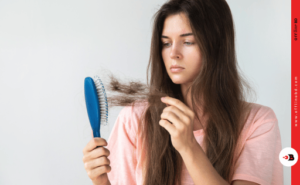
Hair loss is a common daily occurrence that is part of your hair’s natural growth cycle. For most people, the hair that falls out grows back. However, illness, hormonal changes, stress, age, and genetic factors can interfere with your hair growth cycle. This can lead to a situation where the amount of hair that falls out is not replaced by new hair.
Hair is an important part of our appearance, but when it starts to fall out, it can negatively impact our confidence. In this article, we will discuss the various types, causes, and symptoms of hair loss.
What is Abnormal Hair Loss?
Most healthy people lose about 100 hairs a day. This is part of the hair’s natural growth cycle. When old hair falls out, new hair grows in its place.
When is hair loss abnormal? When you start losing excessive amounts of hair and new hair grows less or not at all, this is called alopecia.
Causes of Alopecia or Hair Loss
Hair loss can occur in various forms and due to different reasons. Generally, hair loss can be categorized into three main types: androgenetic alopecia, telogen effluvium, and alopecia areata.
Each type has specific symptoms and causes, which can help you determine the appropriate treatment or remedy.
Different types of hair loss include some common and some rare conditions, each with different underlying causes. Depending on the type of hair loss, it can be due to genetic, internal, or external factors.
Here are some examples of different types of hair loss:
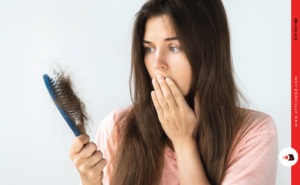
- Androgenetic Alopecia
Androgenetic alopecia usually occurs due to a combination of genetic and hormonal factors. This type of hair loss starts gradually and increases over time.
In men, the symptoms of androgenetic alopecia usually begin from the forehead and the hair thins at the front and crown of the head. Eventually, the hair falls out, revealing the scalp in the middle.
In women, this type of hair loss usually manifests as overall thinning of the hair. The hair at the front of the scalp generally remains unchanged, but the hair in the center parting area thins.
Androgenetic alopecia typically begins in middle age, but it can start at a younger age. The hormone dihydrotestosterone (DHT) shrinks hair follicles, making the hair thin and weak, eventually leading to hair loss. This process occurs gradually and can be permanent.
Various treatments are available to prevent and control this type of hair loss, such as minoxidil and finasteride. Additionally, hair transplant surgery and laser therapy can be effective. However, it is important to consult a specialist before starting any treatment.
- Telogen Effluvium
Telogen effluvium is a hair loss problem that usually occurs due to physiological or psychological stress. In this condition, many hairs enter the telogen phase of the growth cycle, leading to more hair shedding than normal. Typically, this type of hair loss is temporary, and normal hair growth returns after some time.
Common causes of telogen effluvium include pregnancy, major surgery, severe illness, mental stress, and nutritional deficiencies. The hair thins, and the scalp becomes more visible, but there is no permanent hair loss. This problem can be resolved through medical advice and a healthy lifestyle.
- Alopecia Areata
Alopecia areata is an autoimmune disorder where the body’s immune system attacks hair follicles, leading to hair loss. This disease can cause sudden hair loss on the scalp, face, and other parts of the body.
The symptoms of alopecia areata usually begin with small, round patches of hair loss on the scalp. In severe cases, it can lead to complete hair loss on the scalp or body. This disease can occur at any age but is more common among young people.
The exact cause of alopecia areata is not yet fully known, but it is believed to result from a combination of genetic and environmental factors. Mental stress, infections, or hormonal changes may also contribute to this disease.
While there is no cure for this disease, various treatments can promote hair regrowth. Common treatments include corticosteroids, minoxidil, and immunotherapy. Lifestyle changes, mental support, and counseling can also benefit the patient’s mental health.
Timely treatment can control alopecia areata, and in many cases, hair regrows. However, the disease can recur, so regular consultation with a doctor is important.
- Traction Alopecia
Traction alopecia is a type of hair loss problem that usually occurs due to excessive pulling or tension on the hair. This problem is more common among women because their hairstyles, such as ponytails, braids, or tight hairstyles, put pressure on the hair roots. This tension weakens the hair roots, leading to hair loss.
Traction alopecia primarily appears at the front and sides of the head. The main symptoms include reduced hair density, redness of the scalp, itching, and in some cases, small boils or sores on the scalp.
To get rid of this problem, it is important to avoid tight hairstyles and take care of your hair. Various treatments are available to restore normal hair growth, such as using hair masks, combing gently with a light brush, and taking medications as prescribed by a doctor. If detected early and properly cared for, hair regrowth is possible.
- Genetic or Hereditary
Genetics or heredity is a major cause of hair loss. If there is a history of hair loss in the family, your chances of losing hair increase. Male pattern baldness or female thinning hair (androgenetic alopecia) is often inherited.
- Hormonal Imbalance
Thyroid problems, menopause, pregnancy, postpartum period, and polycystic ovarian syndrome (PCOS) can cause hormonal imbalances leading to hair loss. Particularly, thyroid hormone issues, menopause, pregnancy, and PCOS can cause hair loss in women.
- Nutritional Deficiencies
Lack of nutrients, especially iron, protein, and vitamin D, can cause hair loss. If you do not maintain a healthy diet, your hair health can deteriorate.
- Mental Stress or Anxiety
Mental stress and anxiety are common causes of hair loss. Long-term mental stress disrupts the hair growth cycle, causing thinning and hair loss.
- Illness and Pregnancy
Certain illnesses, such as autoimmune disorders, thyroid problems, and skin infections, can cause hair loss.
- Fungal Infections
Fungal infections like Tinea capitis can cause dandruff and hair loss.
- Side Effects of Chemicals and Medications
Hair loss can occur as a side effect of certain medications. Excessive hot water, chemical treatments, and hair pulling can also cause hair loss.
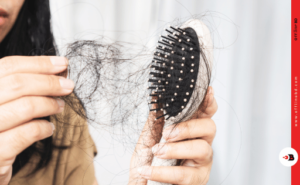
Ways to Prevent Hair Loss
- A healthy diet rich in protein, iron, and vitamin D helps maintain hair health.
- Natural remedies to prevent hair loss include regular oil massages, aloe vera, onion juice, and fenugreek seeds.
- Proper hair care, such as regular washing, using good quality shampoo and conditioner, and applying hair oil, can help prevent hair loss.
- Stress management techniques, such as yoga, meditation, and adequate sleep, reduce the risk of hair loss.
- Regular exercise improves overall body health and encourages hair growth.
It is possible to overcome hair loss problems if you take the right steps and maintain a healthy lifestyle. By adopting necessary treatments and preventive measures, you can prolong the health of your hair.